Sector
A water safety file that reflects what was actually done.
Temperature regimes, flushing, tank inspections and remedials, recorded at the outlet with the same evidence discipline used for medical devices.
Powered by Apex — the inspection and monitoring record layer, with competency from Axiom and reporting integration through Select.
Explore ApexThe routine work, evidenced
Water hygiene compliance is rarely undone by a dramatic failure. It is undone by a monitoring regime that cannot be shown to have happened.
Temperature monitoring
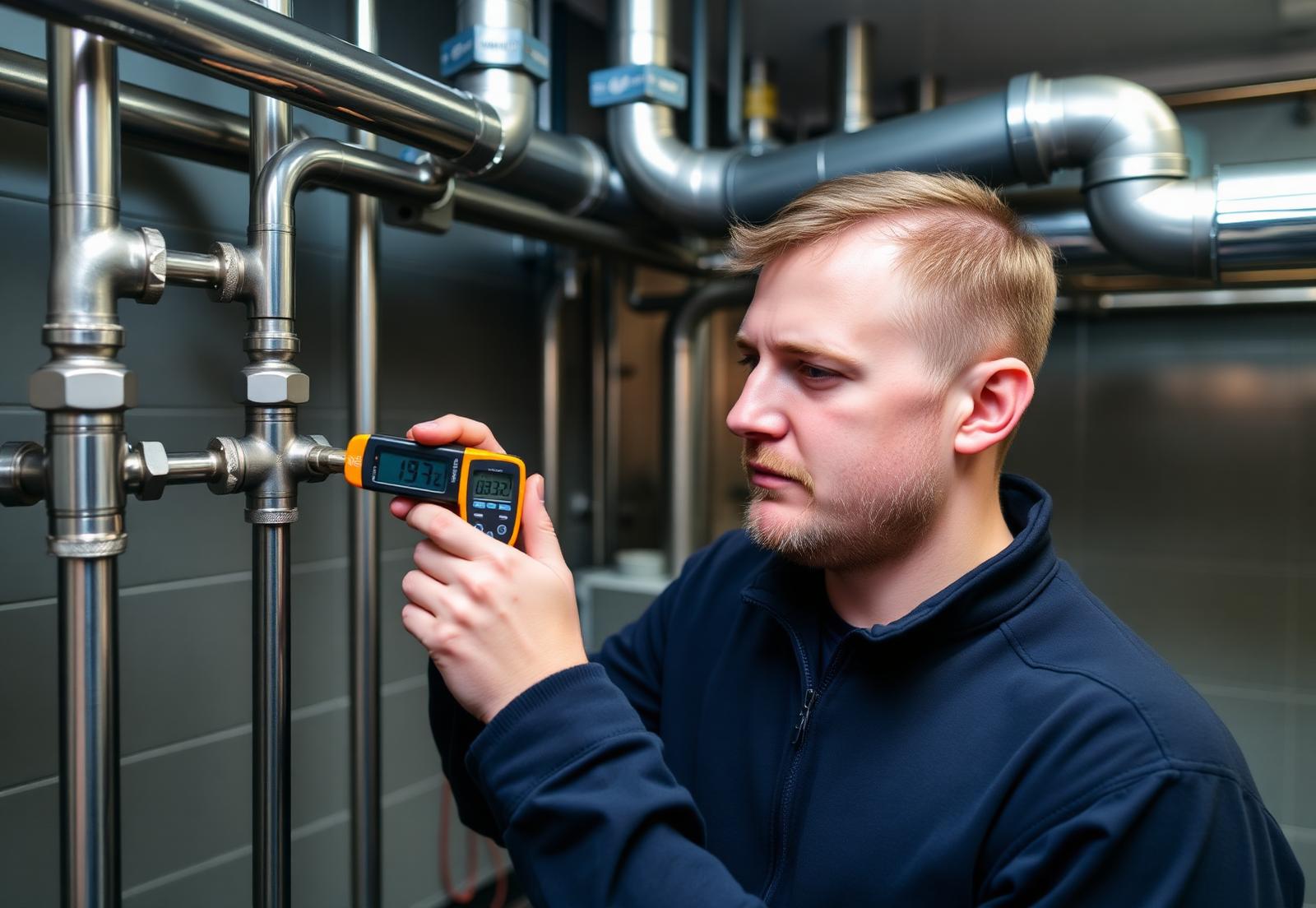
Sentinel and representative outlets recorded against the asset, with run-time and reading captured rather than ticked.
Flushing regimes
Little-used outlets scheduled, assigned and evidenced, including the ones that are easiest to quietly skip.
Tank & calorifier inspections
Condition, temperature, insulation and integrity captured with photographs attached to the asset record.
Sampling
Sample points, chain of custody, laboratory references and results held against the same outlet history.
Showerhead & TMV servicing
Descaling, disinfection and valve servicing tracked to a frequency the record can prove was met.
Remedial actions
Findings become owned actions with dates and closure evidence, visible until they're genuinely closed.
Asset & schematic register
Outlets, plant and dead legs held as assets, so an unusual reading has a location and a history.
Risk assessment actions
Recommendations from the written scheme turned into scheduled, tracked work rather than a filed report.
Responsible person reporting
A current compliance position per building, ready for the responsible person and the safety group.
The problem with the logbook
A paper logbook records a tick. It does not record who was standing at the outlet, at what time, how long the tap ran, or whether the reading was actually taken with a calibrated probe.
When a reading is captured digitally against the outlet, all of that context is inherent to the record. If a temperature is out of range, an exception is raised there and then and a remedial action is created with an owner.
The result is a water safety file that is a byproduct of doing the work properly, rather than a document assembled afterwards to describe work that may or may not have happened as described.
What the responsible person sees
- Monitoring completion by building, with omissions and reasons visible
- Out-of-range readings and where they are concentrated
- Open remedial actions, their owners and their age
- Sampling results held against the outlet that was sampled
- A date-ranged evidence pack for the safety group or an enforcing authority
Common questions
- Do engineers need signal in a plant room?
- No. Records are completed offline and sync when the device is back in coverage, which is the normal working pattern in basements and risers.
- Can we evidence a missed flush?
- Yes, and deliberately so. An omission is recorded as an omission with a reason, which is far more defensible than a gap nobody can explain.
- Does it handle multiple buildings?
- Outlets and plant belong to buildings and sites, so compliance can be viewed per building, per contract or across the whole estate.
- Can results feed our reporting?
- Completed records, exceptions and remedial positions export through Select into reporting tools, CAFM systems or client portals.
Rebuild one monitoring sheet
Send us a temperature or flushing sheet and we'll show you the record and the reporting it produces.